
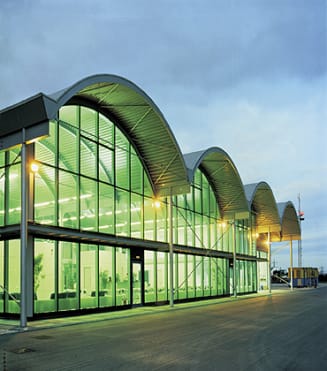
The Advantages of Laminated Glass in Architectural Applications

The Advantages of Laminated Glass in Architectural Applications

When it comes to choosing the right glass for your home or commercial building, laminated glass stands out as a superior option that offers numerous advantages over traditional single-pane or even standard double-pane glass. This innovative glazing solution has become increasingly popular among architects, builders, and homeowners who prioritize safety, security, and performance.

What is Laminated Glass?

Laminated glass from Chablais consists of two or more glass panes bonded together with a tough, transparent interlayer—typically made from polyvinyl butyral (PVB) or ethylene-vinyl acetate (EVA). This construction creates a single, unified sheet that maintains its integrity even when damaged, making it fundamentally different from ordinary glass.

Enhanced Safety and Security

The most compelling advantage of laminated glass is its exceptional safety profile. When broken, the glass fragments remain adhered to the interlayer rather than shattering into dangerous shards. This characteristic makes laminated glass ideal for:

    • Overhead applications like skylights and glass roofs
    • Large windows in homes and commercial buildings
    • Storefront glazing in retail environments
    • Balcony railings and structural glass elements

The security benefits extend beyond accident prevention. Laminated glass is significantly more difficult to break through than standard glass, making it an effective deterrent against break-ins and vandalism. Even when damaged, the interlayer holds the glass together, creating a barrier that’s challenging to penetrate.

Superior Sound Control

Urban noise pollution is a growing concern, and laminated glass provides an excellent solution. The interlayer acts as a sound dampener, reducing noise transmission by up to 50% compared to standard glass. This makes laminated glass particularly valuable for:

    • Buildings near busy roads or airports
    • Recording studios and conference rooms
    • Residential areas in noisy neighborhoods
    • Hotels and healthcare facilities where quiet environments are essential

UV Protection Benefits

The interlayer in laminated glass blocks up to 99% of harmful ultraviolet rays without affecting visible light transmission. This protection offers multiple benefits:

    • Prevents fading of furniture, carpets, artwork, and fabrics
    • Reduces skin cancer risk from prolonged sun exposure indoors
    • Maintains interior comfort by reducing heat buildup
    • Preserves property value by protecting interior investments

Weather Resistance and Durability

Laminated glass performs exceptionally well in extreme weather conditions. It can withstand:

    • High winds and storm conditions better than standard glass
    • Hail damage with minimal impact on structural integrity
    • Temperature fluctuations without compromising performance
    • Seismic activity due to its flexible interlayer construction

This durability translates to lower maintenance costs and longer replacement intervals, making it a cost-effective long-term investment.

Energy Efficiency Advantages

Modern laminated glass can incorporate low-emissivity (Low-E) coatings and other energy-efficient technologies. These features help:

    • Reduce heating and cooling costs by improving insulation
    • Minimize solar heat gain during summer months
    • Maintain consistent indoor temperatures year-round
    • Contribute to green building certifications and sustainability goals

Versatile Design Options

Laminated glass doesn’t compromise on aesthetics. It’s available in various configurations:

    • Clear or tinted options for different visual effects
    • Decorative interlayers with colors, patterns, or embedded materials
    • Curved and shaped applications for architectural creativity
    • Different thicknesses to meet specific structural requirements

Code Compliance and Standards

Many building codes now require or recommend laminated glass in specific applications, particularly for:

    • Hurricane-prone regions (impact-resistant glazing)
    • High-rise buildings above certain heights
    • Schools and public buildings for safety compliance
    • Areas with stringent energy efficiency requirements

Cost Considerations

While laminated glass typically costs more upfront than standard glass, the investment pays dividends through:

    • Reduced insurance premiums due to enhanced security
    • Lower energy bills from improved efficiency
    • Decreased replacement costs due to durability
    • Increased property value and marketability

Making the Right Choice

Laminated glass represents a smart investment for anyone prioritizing safety, security, comfort, and long-term value. Whether you’re building new construction, renovating existing structures, or simply upgrading windows, laminated glass offers a compelling combination of benefits that standard glass simply cannot match.

The technology continues to evolve, with new interlayer materials and manufacturing techniques expanding the possibilities for laminated glass applications. As building standards become more stringent and energy efficiency becomes increasingly important, laminated glass is positioned to become the standard rather than the exception in modern construction.

For homeowners and commercial property owners alike, choosing laminated glass means choosing peace of mind, enhanced comfort, and a safer environment for years to come.

Selected suppliers: Guardian, Vitraglazing, Saint Gobain

Ready to explore laminated glass possibilities for your project?

Contact our design specialists to discuss custom options and see how this premium Chablais glass can enhance your home’s architecture and value.

The Perfect Marriage: Wood and Bronze Clad Windows and Doors

The Perfect Marriage: Wood and Bronze Clad Windows and Doors

In the world of high-end architecture and design, few combinations are as striking and enduring as wood paired with bronze cladding for windows and doors. This premium pairing brings together the natural warmth of wood with the sophisticated durability of bronze, creating fenestration solutions that are both beautiful and built to last.

Why Wood and Bronze Clad Makes Perfect Sense

The interior wood provides the classic warmth and natural beauty that homeowners love, while the exterior bronze cladding offers superior weather protection and a distinctive aesthetic that ages gracefully. This combination addresses the age-old challenge of wanting natural materials that can withstand harsh exterior conditions without compromising on interior beauty.

The Benefits of Wood Interior

Wood interiors in windows and doors provide several key advantages:

        • Natural insulation properties that help with energy efficiency
        • Timeless aesthetic appeal that complements both traditional and contemporary interiors
        • Customizable finishes from natural stains to painted colors
        • Renewable material that supports sustainable building practices
        • Easy maintenance and refinishing capabilities for long-term beauty

The Advantages of Bronze Exterior Cladding

Bronze cladding on the exterior offers exceptional performance:

        • Superior weather resistance against rain, snow, and UV exposure
        • Low maintenance requirements with minimal upkeep needed
        • Distinctive patina development that adds character over time
        • Excellent thermal performance when properly engineered
        • Premium curb appeal that enhances property value
        • Corrosion resistance that ensures decades of reliable performance

Design Versatility

Wood and bronze clad windows and doors work beautifully across architectural styles:

Modern and Contemporary Homes: The clean lines of bronze cladding complement minimalist design while wood interiors add necessary warmth to stark modern spaces.

Traditional and Historic Properties: Bronze ages to develop a rich patina that suits classical architecture, while interior wood maintains period-appropriate aesthetics.

Transitional Designs: This combination bridges traditional and modern elements, making it perfect for homes that blend multiple design influences.

Color and Finish Options

Wood Interior Finishes

        • Natural clear finishes that showcase wood grain
        • Stained options in various tones from light oak to rich walnut
        • Painted finishes in custom colors to match interior design schemes
        • Specialty finishes like limed oak or weathered effects

Bronze Exterior Options

        • Natural bronze that develops patina over time
        • Pre-patinated bronze for immediate aged appearance
        • Sealed bronze that maintains its original color
        • Various bronze alloys for different color undertones

Performance Considerations

Modern wood and bronze clad windows and doors are engineered for optimal performance:

Energy Efficiency: Multi-pane glass options with low-E coatings and proper weatherstripping ensure excellent thermal performance.

Weather Sealing: Advanced weatherstripping systems and proper installation details prevent air and water infiltration.

Hardware Integration: High-quality bronze or brass hardware complements the bronze cladding while ensuring smooth operation.

Structural Integrity: Proper engineering ensures the wood frame can support the weight of bronze cladding without compromising performance.

Maintenance and Longevity

One of the key advantages of this combination is the relatively low maintenance requirements:

Bronze Exterior: Simply requires occasional cleaning with mild soap and water. The natural patina that develops actually protects the underlying metal.

Wood Interior: Periodic refinishing every 5-10 years depending on exposure and use keeps the wood looking beautiful.

Hardware: Bronze hardware requires minimal maintenance and actually improves with age and use.

Investment Value

Wood and bronze clad windows and doors represent a significant investment, but one that pays dividends:

        • Increased property value due to premium materials and craftsmanship
        • Long-term durability reduces replacement costs
        • Energy savings from superior thermal performance
        • Timeless appeal that won’t go out of style
        • Enhanced curb appeal that sets your property apart

Selecting the Right Manufacturer

When choosing wood and bronze clad windows and doors, consider manufacturers who:

  • Have extensive experience with both materials
  • Offer comprehensive warranties on both wood and bronze components
  • Provide proper installation support and training
  • Use high-quality hardware and weatherstripping systems
  • Offer customization options for unique architectural requirements

Conclusion

Wood and bronze clad windows and doors represent the pinnacle of fenestration design, combining natural beauty with exceptional durability. While the initial investment is significant, the long-term benefits in terms of performance, aesthetics, and property value make this combination an excellent choice for discerning homeowners and architects.

The marriage of warm wood interiors with sophisticated bronze exteriors creates windows and doors that are not just functional elements, but true architectural features that enhance any home’s character and value. Whether you’re building new or renovating an existing property, wood and bronze clad windows and doors offer a premium solution that will provide beauty and performance for decades to come.

Ready to explore wood and bronze clad windows and doors for your project?

Contact our design specialists to discuss custom options and see how this premium combination can enhance your home’s architecture and value.

Teak Windows: The Premium Choice for Modern Construction

Teak Windows: The Premium Choice for Modern Construction

Teak is one of the most prestigious woods in the world for windows and doors — and one of the most misunderstood. Clients ask us about it for the wrong reasons (it’s expensive, therefore it must be best) and dismiss it for the wrong reasons (it’s expensive, therefore it must be impractical). After more than twenty years working with European wood windows, here is what actually matters about teak.

Why Teak Stands Apart from Other Hardwoods

Teak contains natural oils and silica that make it resistant to moisture, insects, fungi, and rot — without any chemical treatment. This is not marketing language. The British and Dutch navies used teak for ship decks for centuries because it survived saltwater exposure that destroyed other woods. The same properties that protected wooden ships now protect window frames in coastal climates, humid environments, and projects exposed to extreme weather.

Compared to oak, mahogany, or meranti — all excellent window woods in their own right — teak’s main advantages are:

  • Superior dimensional stability: it does not shrink, swell, or warp the way other species can
  • Natural resistance to decay without preservatives
  • Exceptional hardness for hardware retention (hinges, locks, and handles stay tight)
  • Long service life: properly maintained teak windows can last 80 to 100 years

The Real Cost of Teak Windows and Doors

Teak is expensive. There is no honest way around it. As a raw material, premium European-grade teak ranges from $18,000 to $30,000 per cubic meter, depending on the source country (Burma, Ghana, Indonesia, India), the grain, and the age of the timber. By comparison, oak runs around $1,500 to $3,000 per cubic meter.

For a finished window or door, the cost premium for teak over oak or mahogany is typically 40 to 80 percent — sometimes more for fully-glazed doors with large sections.

But the cost question only makes sense when you look at the lifecycle. A teak window installed properly will outlast two or three softwood window cycles. For a luxury home built for a 50-year horizon, the math often favors teak. For a renovation where the building itself may be sold in ten years, it usually does not.

What Teak Looks Like — And How It Ages

New teak has a warm, golden-brown color with rich grain patterns. Over time, exposed to sunlight and weather, it changes. This is the part most people do not expect.

Left untreated outdoors, teak weathers to a soft silver-grey patina. The wood underneath is structurally unchanged — still strong, still rot-resistant — but the surface color shifts dramatically over the first one to three years. Many architects choose teak specifically for this aging quality, particularly on coastal homes and modern designs where the silver patina becomes part of the architectural language.

If you want to keep the original golden-brown color, the wood needs to be finished and maintained:

  • A high-quality factory finish at the start (we use Sikkens-grade systems on all our windows)
  • Reapplication of teak oil or exterior wood finish every 5 to 7 years on the exterior
  • Interior surfaces, protected from UV and weather, generally need no maintenance

There is no “right” choice here — it depends on the look you want and how much maintenance you are willing to commit to.

Where Teak Windows and Doors Make the Most Sense

After two decades, here is where I see teak specified successfully and where I steer clients elsewhere.

Teak makes sense for:

  • Coastal and waterfront properties where salt air destroys other woods
  • Tropical and subtropical climates with high humidity
  • Historic restorations where teak was the original material
  • Contemporary architecture where the silver-patina aging is desired
  • Luxury projects with a 50+ year horizon
  • Exterior doors that take heavy daily use

Teak is usually overspecified for:

  • Cold, dry continental climates where oak or larch perform equally well
  • Renovations where the property will be sold within ten years
  • Projects where the budget is better spent on better glazing or hardware
  • Standard residential applications where mahogany or meranti will perform identically at half the cost

Teak Window and Door Configurations We Supply

At Chablais, teak is available across our full product range:

  • Tilt-and-turn windows — the European standard for ventilation and easy cleaning
  • Casement windows — single, paired, in-swing, or out-swing
  • La Française — traditional French casement without a center post
  • Fixed windows — in any geometry including arched, circular, and trapezoidal
  • Lift-and-slide doors — for terrace and garden openings up to large spans
  • Entry doors — solid teak construction with custom hardware
  • Folding doors — for full-width opening between interior and exterior

All teak windows can be specified with exterior aluminum cladding or bronze cladding for a hybrid construction that combines teak’s beauty inside with metal protection outside.

Sustainability and Sourcing

Teak has a complicated history. Burma teak (now Myanmar) is the most prestigious but comes with serious sourcing concerns due to political and environmental issues. Today, most responsibly-sourced teak comes from FSC-certified plantations in Ghana, Indonesia, Costa Rica, and Brazil.

We work only with European partners who source from legal, traceable, and sustainably-managed plantations. If sustainability matters to your project, ask your representative for documentation — we provide it on request.

Is Teak the Right Choice for Your Project?

Honestly, for most projects there are better-value options — mahogany, oak, or meranti will give you 90% of the performance at 50% of the cost. But for the projects where teak is the right answer, nothing else comes close.

If you are specifying windows or doors for a coastal home, a luxury build with a long horizon, or a project where teak is part of the architectural intent, we would be glad to discuss your options.

Need More Information?

Reach out to your specialist at Chablais for a project consultation. Call +1 (646) 884-1019 or use our request a quote form. We typically respond within one business day. Consultations are available in English and French.

Need more information?

Reach out to your specialist at Chablais Windows + Doors for Teak wood assistance.

error:
WhatsApp +1 646 884 1019 Direct line (WhatsApp) Book Consultation 30-min direct call